
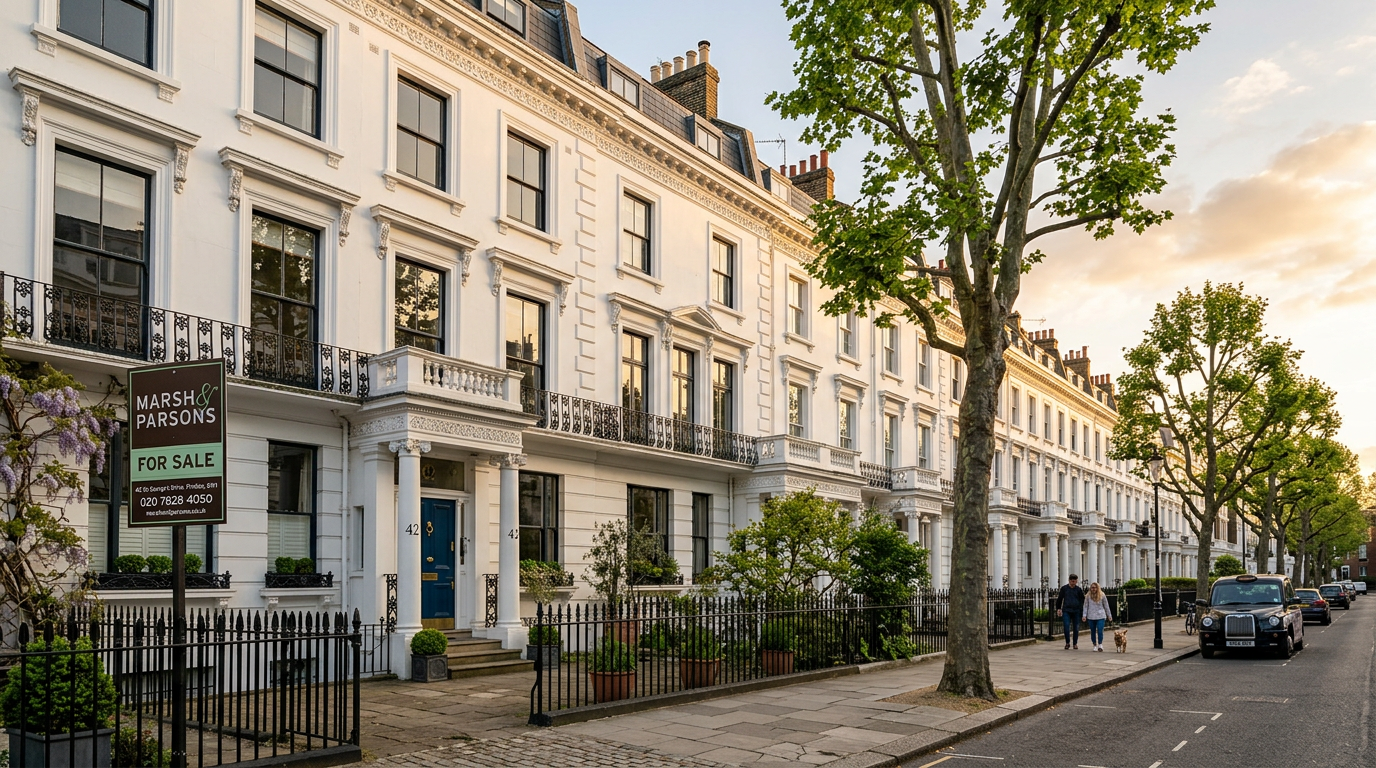
Pimlico is one of London's most desirable residential neighbourhoods — a conservation area of sweeping stucco-fronted Georgian and early Victorian terraces, quiet garden squares, and excellent transport links. It's no surprise that buyers compete fiercely for properties here. But those beautiful period facades can conceal a range of building defects and structural issues that only a thorough professional survey will uncover. As a firm of RICS surveyors based in Pimlico itself, we know this area — and its buildings — inside out.
Why Pimlico Properties Need Specialist Survey Attention
The vast majority of residential properties in Pimlico (SW1V and surrounding streets) were constructed between approximately 1820 and 1870. These are predominantly Georgian and early Victorian terraces built using materials and methods that are now almost 200 years old. While they are handsome, well-built homes, they require specialist surveying knowledge.
Unlike a modern developer-built property surveyed in a suburban town, a Pimlico Georgian terrace will almost certainly show evidence of historic movement, earlier repair works, updated services, and — in many cases — significant basement conversions or alterations that have changed the structural loading of the building.
The Top 7 Issues Our Surveyors Find in Pimlico Properties
1. Stucco Render and Facade Deterioration
The iconic white stucco exteriors that give Pimlico its visual character are also one of the most common sources of defects. Stucco is a lime-based plaster render applied over London stock brickwork, and it requires regular maintenance. Cracks, hollow patches, and areas of detachment are common — and in some cases, substantial re-rendering works may be required. Our surveyors probe, tap, and visually examine the stucco carefully to assess its condition and estimate likely remediation costs.
2. Basement Conversions
Over the past two decades, Pimlico (like neighbouring Belgravia and Chelsea) has seen a significant number of basement and lower-ground-floor extensions. Some are well-engineered and properly consented; others were carried out without adequate structural engineering input or building regulation approval. We assess basement conversions carefully for signs of poor underpinning, inadequate waterproofing, and structural inadequacy — all of which can be costly to remediate.
3. Rising Damp and Penetrating Damp
Period properties of this age were not built with modern damp-proof courses (DPCs). Many have had DPCs retrofitted — some more effectively than others. Penetrating damp through the stucco and original brickwork is also common, particularly on north-facing elevations and in areas where rainwater goods have failed. We use calibrated moisture meters to check walls thoroughly, and we flag any areas where further specialist damp investigation may be advisable.
4. Original Timber Structure
Pimlico's Georgian terraces use traditional timber floor and roof construction. Joist spans, floor boards, and roof timbers of this age need careful inspection. We look for evidence of woodworm, dry rot, wet rot, and areas where timbers have been poorly cut or modified to accommodate later plumbing or electrical installations. Wet rot in ground floor timbers (particularly in lower-ground and basement areas) is one of the most common significant findings in our Pimlico building surveys.
5. Party Wall Structures
Mid-terraced and end-terraced properties share party walls with their neighbours. Depending on what works the neighbouring properties have carried out — basement extensions, roof terraces, loft conversions — the shared party walls may have been affected. We look for signs of movement at party wall junctions and assess whether any recent neighbouring works have been properly consented under the Party Wall etc. Act 1996.
6. Roof Structure and Coverings
Traditional Georgian terraces in Pimlico typically have low-pitched roofs with lead and/or slate coverings, and valley gutters running between terrace blocks. Lead valley gutters are a particular vulnerability — they have a finite lifespan, and failure can lead to significant water ingress. We always inspect roof coverings carefully (from a safe vantage point) and look for evidence of leaks in the highest-level rooms and any accessible roof voids.
7. Services and Utilities
Many Pimlico properties retain original Victorian or early-20th-century drainage and services infrastructure that has been updated in piecemeal fashion over the decades. Drainage layouts, boiler flue routing, and electrical consumer units all require careful checking. We note the apparent condition and age of services as part of our building survey, and we always recommend that buyers commission specialist drainage CCTV surveys if there is any doubt about the condition of below-ground drainage.
Leasehold vs Freehold in Pimlico
The majority of Pimlico properties are sold on a leasehold basis, either as individual flats within a converted terrace or as whole houses subject to a ground lease. Before purchasing a leasehold property in Pimlico, buyers should always:
- Check the unexpired lease term — anything under 80 years requires a lease extension before selling
- Obtain full service charge accounts and review any planned major works
- Commission an independent RICS valuation to ensure the agreed price is justified
- Commission a building survey of the flat and, where possible, the common parts
Which Survey Do You Need for a Pimlico Property?
Given the age, construction type, and typical complexity of Pimlico properties, we strongly recommend a RICS Building Survey (Level 3) for most purchases in this area. A HomeBuyer Report (Level 2) is a lighter-touch survey and may not go into sufficient depth for an older period property with a history of works and alterations.
A Building Survey will give you:
- A thorough inspection of all accessible elements of the building fabric
- Detailed analysis of any defects found, with condition ratings
- Advice on repair options and estimated cost ranges
- Commentary on significant legal matters for your solicitor
- A list of matters requiring further specialist investigation
"In nearly 15 years of surveying Pimlico properties, I've rarely encountered a Georgian terrace that didn't have at least one significant finding. The good news is that almost all of them are manageable — with the right advice, buyers can negotiate effectively and budget appropriately for future maintenance."
Conservation Area Considerations
Pimlico is a designated Conservation Area, which means that most external alterations to properties require planning consent. If you are considering any works — changing windows, adding a roof extension, painting the exterior in a non-standard colour — you will need to check your obligations with Westminster City Council before proceeding. Our surveyors can advise on typical planning consent requirements as part of our survey service.
Get Expert Advice Before You Buy
Buying a property in Pimlico is a significant investment. At Pimlico Surveyors, we provide RICS Building Surveys, HomeBuyer Reports, and independent valuations tailored to the specific challenges of this area. Our surveyors know the local housing stock intimately — and our reports give you the information you need to buy with confidence.
Planning to Buy in Pimlico or Central London?
Get a clear, fixed-fee quote for an RICS Building Survey or HomeBuyer Report from our local RICS surveyors.
Get a Free Quote Our Services